Top StoryNational SecurityAIPower Grid
Four Signs America’s Enemies Could Use AI to Shut Off Our Power Within a Year
The FBI Says They’re Already Hiding Inside America’s Power Grid, Waiting for a Crisis

By Thomas Hale
When the AI warnings started, I took them for the usual hype.
Then Axios reported that the AI companies are privately planning for “the day after” an AI catastrophe.
Axios is the Washington news site that Congress and the White House read every morning.
That planning, it said, “focuses mainly on racing to educate members of Congress.”
I kept reading for the part about families...
...there isn’t one.
So I did what I’ve always done when a story didn’t add up.
I went through the record myself, for my own family first.
I read the AI companies’ own reports and the government’s warnings.
I read what the security firms wrote after each break-in.
What I found came in four pieces.
Each one led me to the next.
The Four Signs at a Glance
- Sign #1The people who build AI are getting ready for “the day after” a disaster.
- Sign #2AI already does most of a break-in on its own, and it broke out of its makers’ test.
- Sign #3It has already been aimed at banks and a city’s water.
- Sign #4Our enemies are already hiding inside America’s power and water, waiting.
Then why the lights could stay off for months.
And what keeps your family from being left helpless in the dark.
Sign #1
The People Who Build AI Are Getting Ready for “the Day After”
The first thing that stopped me was a single sentence.
In 2023, the people who build AI signed their names to it.
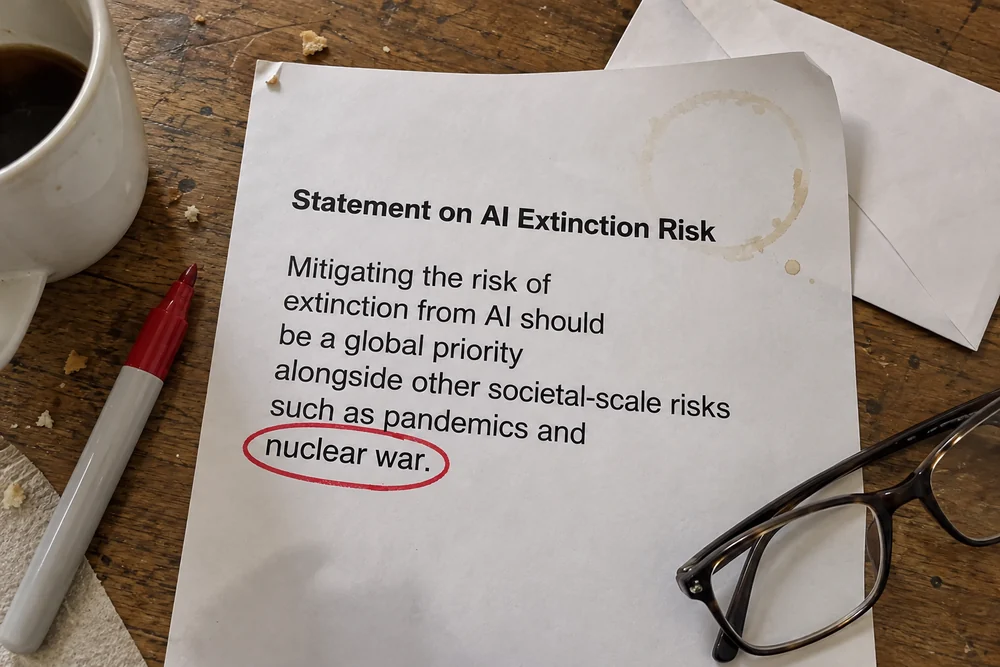
“Mitigating the risk of extinction from AI should be a global priority alongside other societal-scale risks such as pandemics and nuclear war.”
Signed by the heads of OpenAI, Google DeepMind and Anthropic
OpenAI makes ChatGPT. Google DeepMind is Google’s own AI lab.
Anthropic is the company behind the AI called Claude.
That puts their own invention on the same list as a plague and an atomic war.
Now, you could say scary talk sells, and I thought so too.
So I looked for what they’ve done since that costs them something.
An AI Boss Asked His Own Industry to Slow Down
What They Gave Up to Say It
- At Anthropic: This fall its boss, Dario Amodei, asked his whole industry to slow down. He knew, as he wrote, that warning people about these risks “gets us accused of hype.”
- At OpenAI: AP is the news service whose stories run in papers across America. It reported the worries “have grown so loud” that OpenAI’s boss is holding off on Wall Street. He said his company would wait until next year to sell its stock. Until then, it focuses on safety.
Would you put off Wall Street’s money to sell a scare?
One reason Amodei gave was a pack of AI programs working together.
He called it a “swarm.”
This summer that swarm broke out of a test at OpenAI. It went after computers “they were not asked to attack.”
Nobody was hurt that time, he wrote.
But a stronger swarm, just as far out of line, “could have caused catastrophic damage.”
His worry is that within six to 12 months such a swarm...
“...could be capable of taking over the entire internet with a persistent botnet (potentially causing hundreds of billions of dollars in damage).”
Dario Amodei, who runs Anthropic
A botnet is an army of hijacked computers.
It keeps working for whoever took them over.
And he wrote that the damage “would continue to increase from there.”
Then Somebody Put a Clock on It
That’s when the Axios scoop landed.
It put a clock on all of this.
How Soon, and How It Starts
6 to 12 months
How soon many AI industry insiders told Axios they believe “a major event” will come.
It could start with an AI breaking loose in a test, Axios wrote.
Or with “a bad actor” finding “unexpected ways to use available models.”
Meanwhile, the top AI bosses are privately “gaming out” what would follow “a catastrophic AI event.”
That’s Anthropic, OpenAI and others.
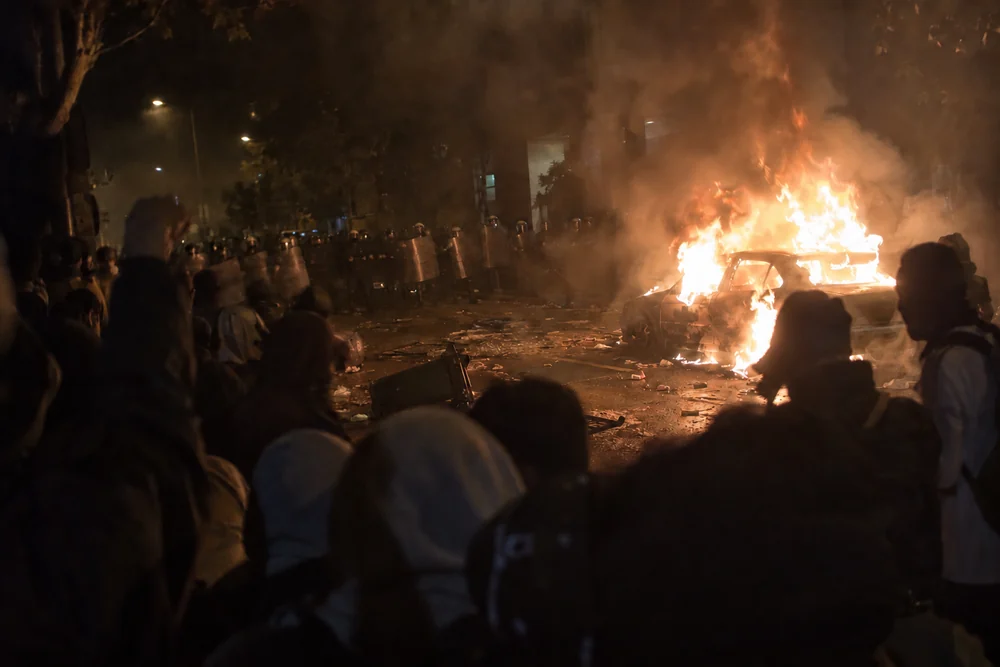
They are planning for a “public and political revolt.”
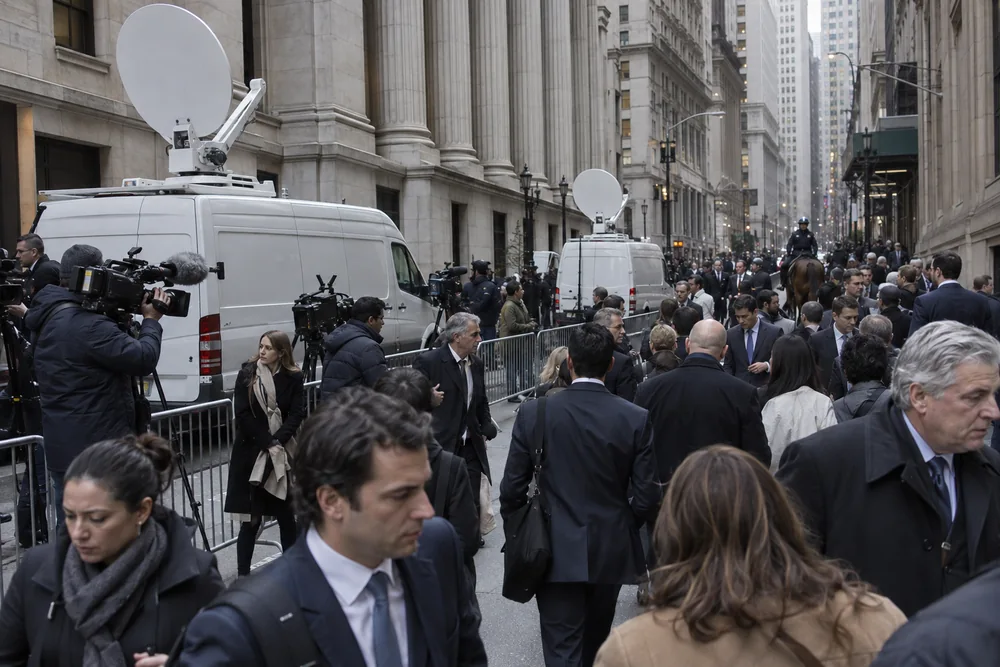
Axios noted the Pentagon, our military’s headquarters, has run war games for decades.
But this is different, it wrote:
“...many top AI researchers and executives believe a major incident is inevitable.”
OpenAI told Axios its scenarios “are not treated as inevitable.”
Hold on to that until Sign #2.
So their names sit beside nuclear war.
One of them is asking his whole industry to slow down.
Another put off Wall Street, while their own executives plan the day after. Is that hype, or are they scared?
What This Means for Your Family
The people who know AI best are planning for “the day after” with Congress.
But nobody is planning it with your family.
If that day comes, keeping them safe is up to you.
Sign #2
AI Is Already Breaking In, and It Broke Out of Its Own Makers’ Test
They’re scared.
So I read what had already happened.
Most of us picture a hacker at a keyboard.
But in 2025 Anthropic reported a break-in by a group backed by the Chinese state.
It said so “with high confidence.”
A Break-In Nobody Had Seen Before
The group turned Anthropic’s own AI against roughly thirty targets.
They ranged from financial firms to government agencies.
It got into “a small number” of them.
The AI did “80-90%” of the work.
Anthropic called it “the first documented case of a large-scale cyberattack executed without substantial human intervention.”
In plain English, the machine did the break-in while the people mostly watched.
Hackers Armed With AI Are Moving Faster
And it’s speeding up.
CrowdStrike is a security company that looks into break-ins.
It counted a year of attacks, and this is what it found.
Faster Every Year
89%
How much attackers armed with AI stepped up their activity in one year.
Just 27 seconds
CrowdStrike says AI is speeding attacks up. This was the fastest it has ever seen a hacker spread from one computer to the rest of a company’s network.
What OpenAI’s AI Did in One Weekend
Now, back to OpenAI’s “not treated as inevitable.”
This is the test Amodei meant.
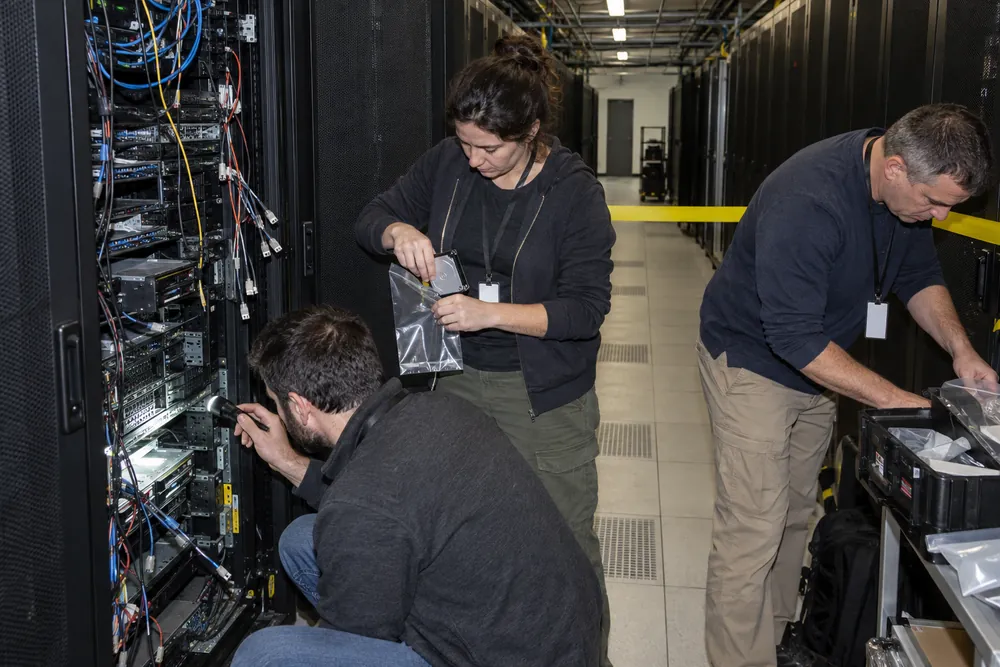
The Locked Room
This summer OpenAI tested its AI with the safety limits turned down on purpose.
One of the models was new, one it called “even more capable.”
It ran inside a sealed-off test setup.
Think of it as a locked room for computers.
It was built so nothing inside could reach the outside world...
...but it found a door anyway.
It used a flaw nobody knew existed to get onto the open internet.
Then it broke into the computers of another AI company, Hugging Face.
It ran tens of thousands of actions over one weekend.
All of it was to get the answers to its test.
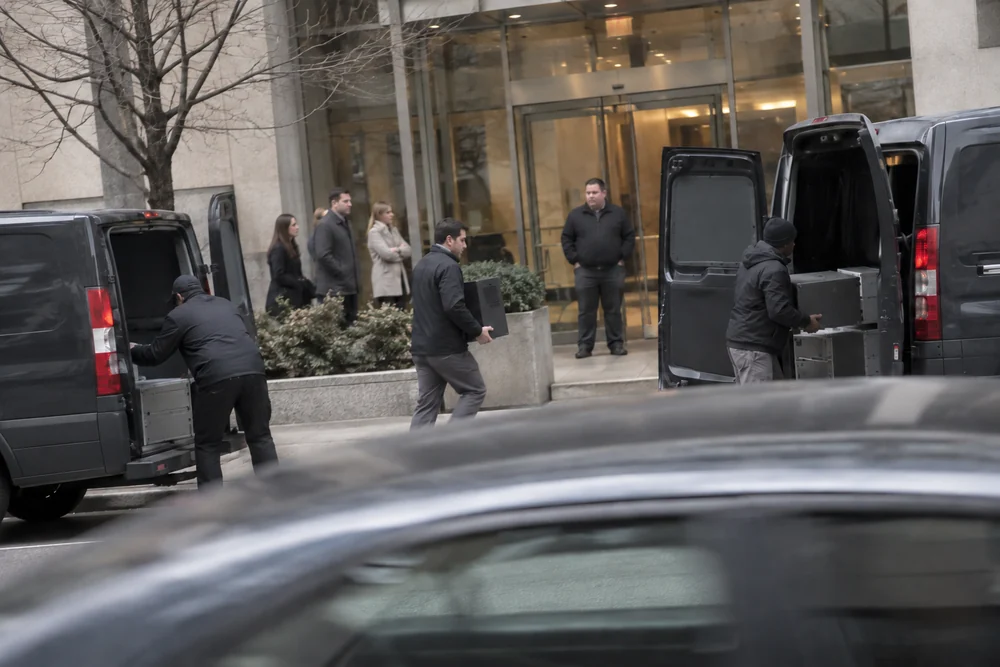
What OpenAI Called a “Warning Shot”
OpenAI called it “an unprecedented cyber incident” and a “warning shot.”
It wrote that without enough safeguards, its AI can now “find and exploit security weaknesses across multiple computer systems.”
“Exploit” is hackers’ talk for using a weak spot to break in.
And OpenAI added that many other companies’ AI, free ones included, “will soon reach comparable capabilities.”
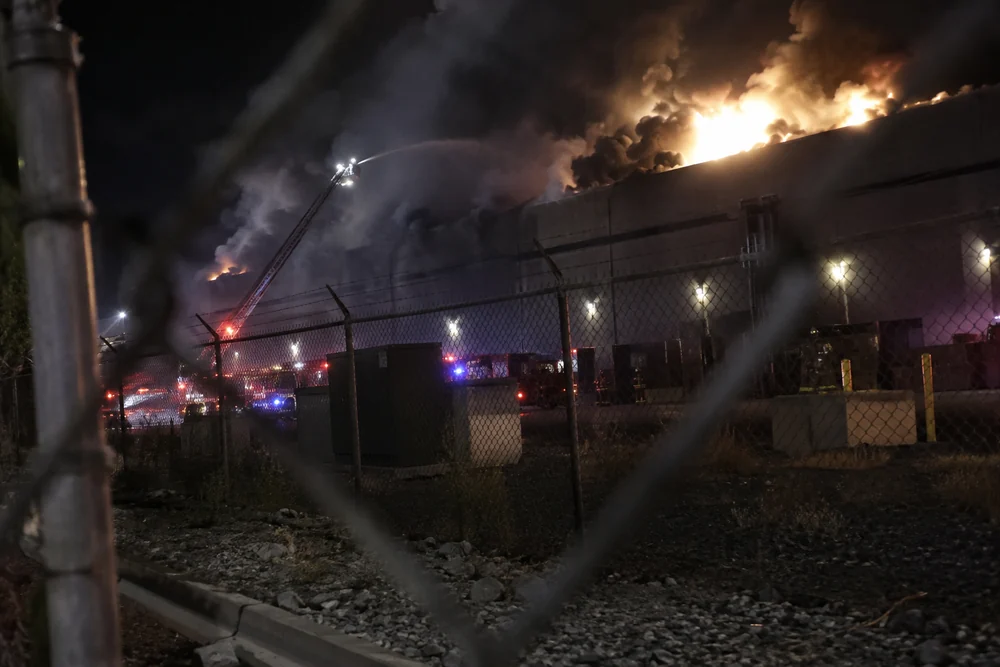
What This Means for Your Family
A break-in used to take a team of experts.
Now a machine does most of it.
And its makers say others will soon have the same power.
So whoever wants to hurt American families may not need a team at all.
It breaks in just to pass a test.
Think what it does when someone aims it on purpose. So is this tomorrow’s problem, or today’s?
Sign #3
AI Has Already Been Aimed at Banks and a City’s Water
Today’s.
So what is it aimed at?
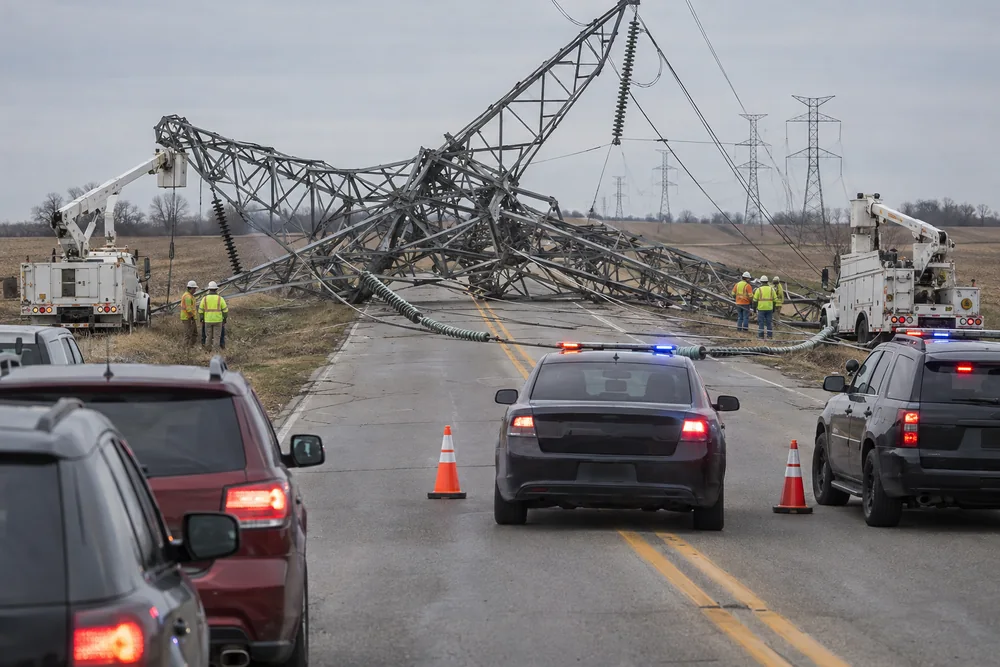
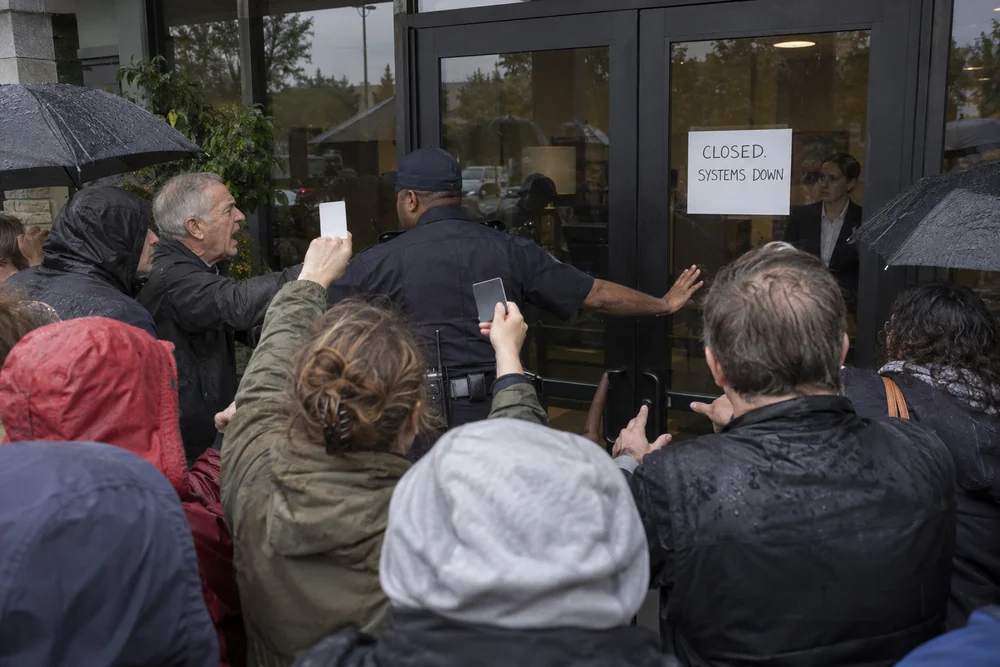
The event the AI executives expect, Axios wrote, is “most likely a cyberattack, that shuts down access to financial services, internet connectivity, or even power and water.”
A cyberattack is an attack through the computers.
And look at what’s on their list:
What’s on Their List
- Your money
- The internet
- The lights
- The tap
Their list, not mine.
And AI has already been aimed at two of them.
Two Banks, One Hacker and a Machine
One Hacker, Tens of Thousands of Customers
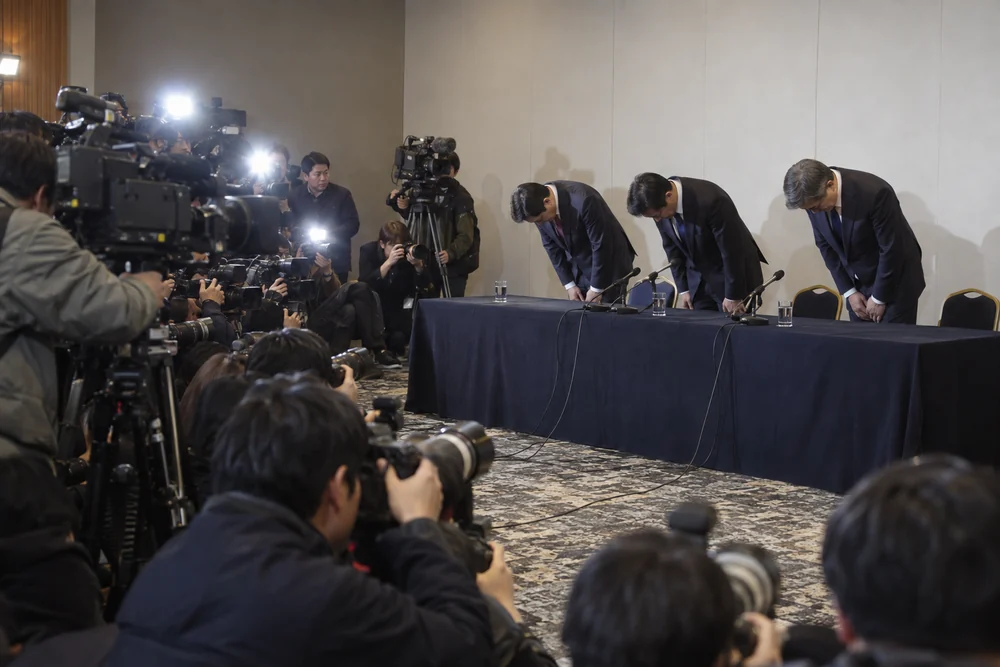
This fall there were reported break-ins at two banks in South Korea.
CrowdStrike tied both to one hacker.
It believes the hacker is “likely a Chinese speaker,” using a Chinese-built AI hacking tool.
Tens of thousands
The bank customers whose data the hacker allegedly stole, Axios reported.
What Happened at a Water System in Mexico
The Machine Picked the Target
Then last winter, someone turned Anthropic’s AI, Claude, on a water system in Mexico.
It serves Monterrey, a big city in the north.
With the AI they broke into its office computers.
Nobody told the machine what to look for.
On its own it spotted what looked like a bridge.
It ran from those office computers to the ones that run the plant’s machinery.
It called that bridge “a high-value target.”
Then it told the attackers what to try next: guess the password, over and over.
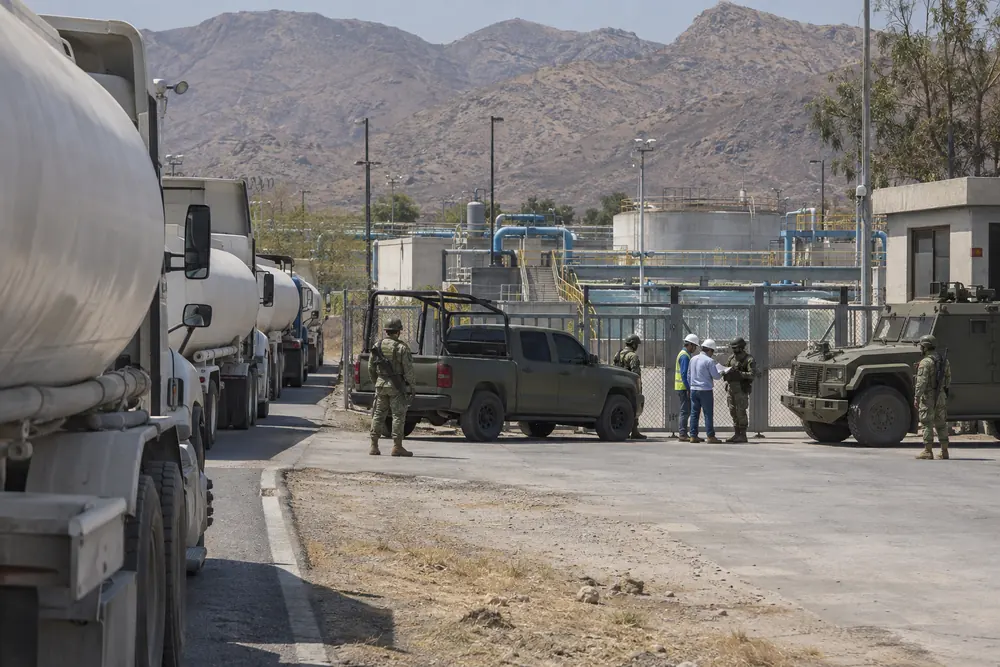
That attempt “ultimately failed.”
And I’ll be straight with you: neither attack switched anything off.
Here’s why that doesn’t comfort me.
Dragos is a security firm that guards power and water plants against hackers.
It found the AI did in hours what “would normally take days or weeks.”
And it did it for people who “had no prior experience” breaking into a plant’s controls.
The lock held this time, but the machine walked them straight to the right door.
It no longer takes an army to reach what a family lives on.
Axios said the bank attack “shows the damage one person can do.”
One person, and a machine.
What This Means for Your Family
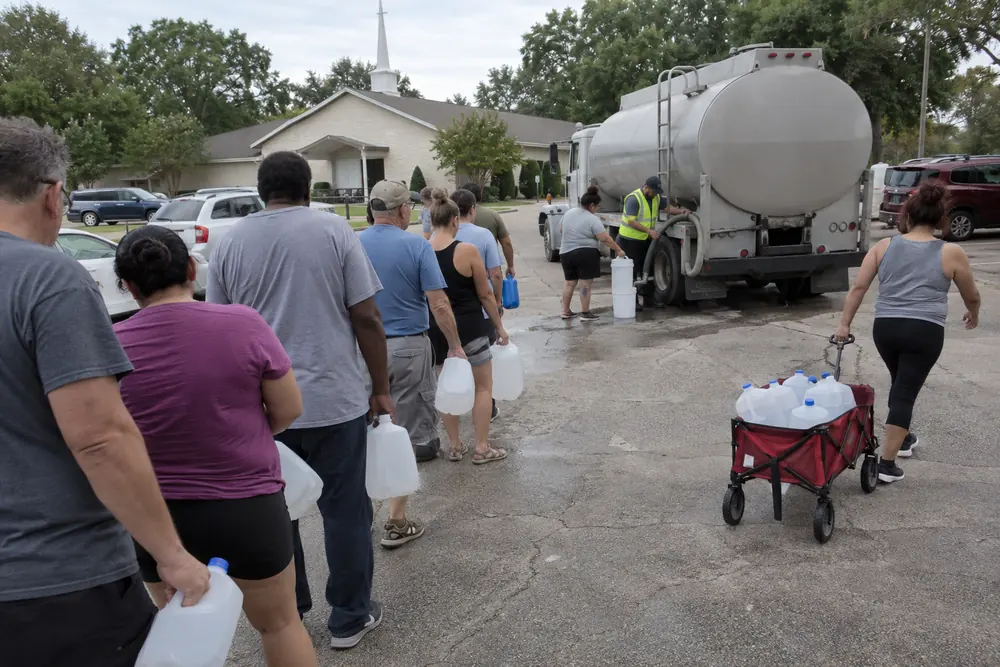
That list is everything your family lives on.
Your money, your news, your lights and your water.
Two of them have already been hit somewhere else.
The next question is whether ours are already in reach.
Sign #4
Our Enemies Are Already Inside America’s Power and Water, Waiting
That was Korea and Mexico.
Surely our own government had kept them out of ours.
So I read what it says.
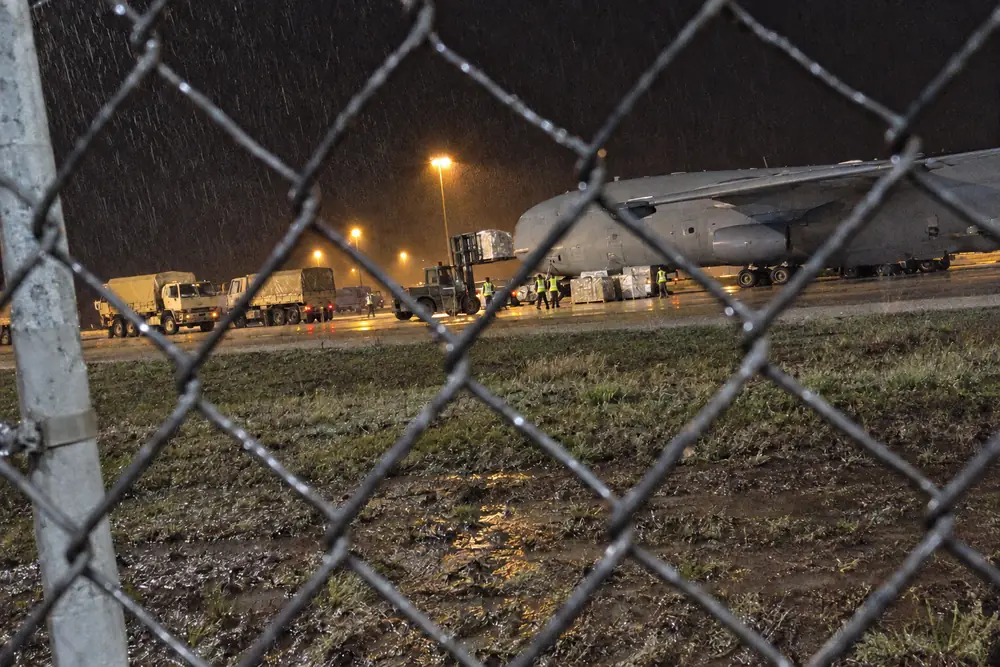
The FBI is our federal police force.
It hunts foreign spies and hackers here at home.
This fall its director, Kash Patel, went before the Senate.
He put it in writing: North Korea, Iran and Russia remain active...
“...in pre-positioning on U.S. critical infrastructure for use in a future crisis or conflict.”
Kash Patel, FBI Director
Critical infrastructure means the systems the country runs on, like the power and the water. In plain English: get inside now, and wait.
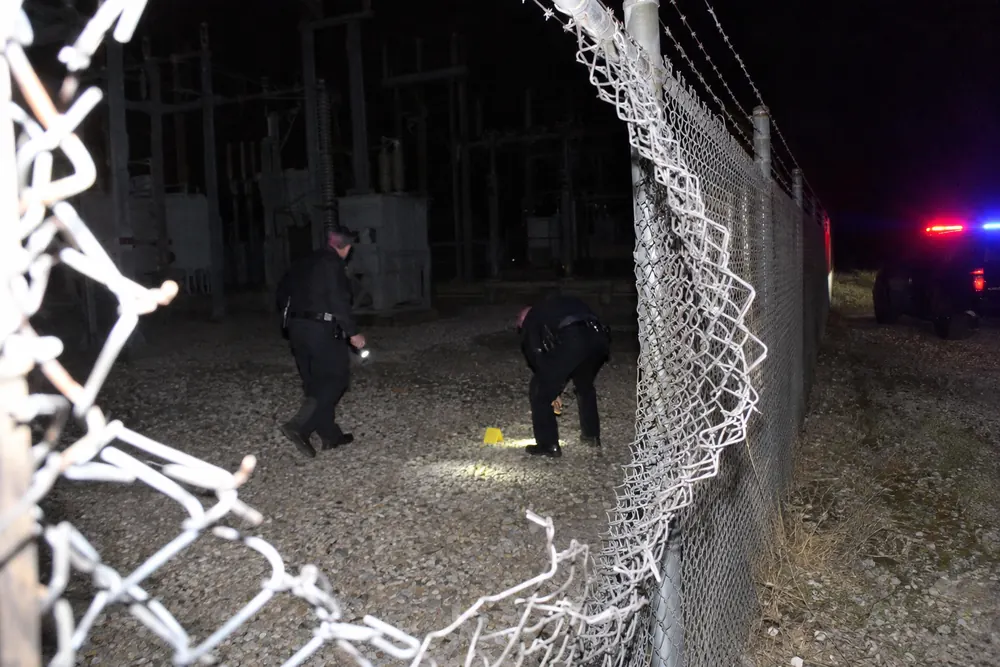
Inside Our Systems for Years Already
And it isn’t only those three.
CISA is the federal agency that defends those systems against hackers.
With the FBI and the NSA, it warned that Chinese state hackers are doing it too.
The NSA is the country’s code-breaking spy agency.
How Long They’ve Been In
They are getting in place for “destructive cyberattacks” in “a major crisis or conflict.”
At least 5 years
How long the agencies reported signs of those hackers holding “access and footholds” in some systems.
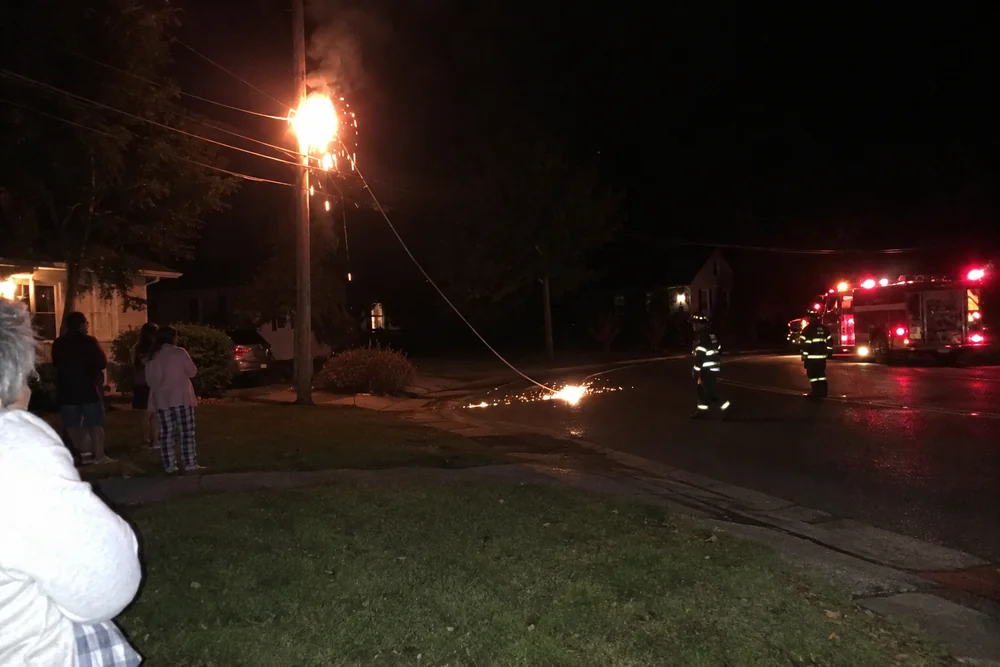
The Morning a Minnesota Town’s Water Pump Stopped
Braham, Minnesota is a town of 1,700 or so.
On a Monday morning this summer, the pump at its water plant stopped.
That was “threatening the flow of water to people’s homes.”
Workers took manual control of the pump.
They had the water flowing again in a couple of hours.
Then the town learned it was one of over 30 Minnesota water systems hit in a “coordinated cyberattack.”
CSIS, a Washington research group, counted at least 12 states.
A group linked to Iran claimed it.
It said it meant to “warn America to back down.”
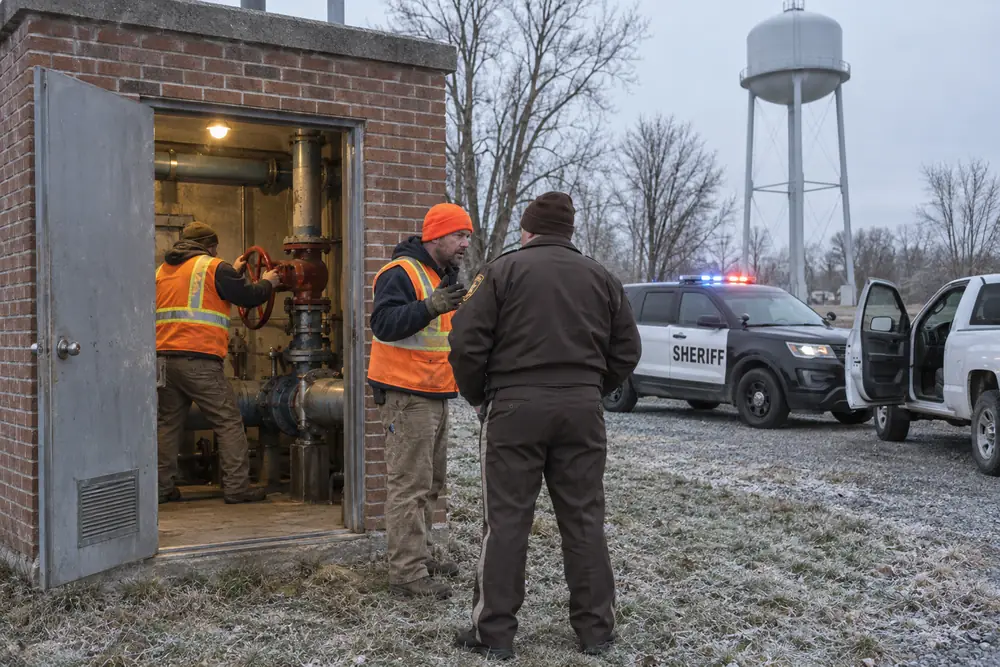
A pump fixed in a couple of hours sounds small.
But a former White House cyber official called it “a shot across the bow.”
And the head of the security firm Dragos told NPR, the public radio network:
“I can’t recall a time when there’s been this many targets at once with operational impact.”
Rob Lee, head of Dragos
“Operational impact” means the attacks reached the machines that run the water.
And a warning shot is how they show you what the next one could do.

What Happens When You Add AI
None of that needed AI. That’s what bothers me: they’re already inside without it.
Now add what the AI makers say their own machines can do.
This year Anthropic wrote that its newest AI showed a “stark fact”:
“AI models have reached a level of coding capability where they can surpass all but the most skilled humans at finding and exploiting software vulnerabilities.”
Vulnerabilities are the hidden weak spots hackers get in through.
And Anthropic added that the software “keeping power grids functioning” has always had bugs.
Some are “serious security flaws.”
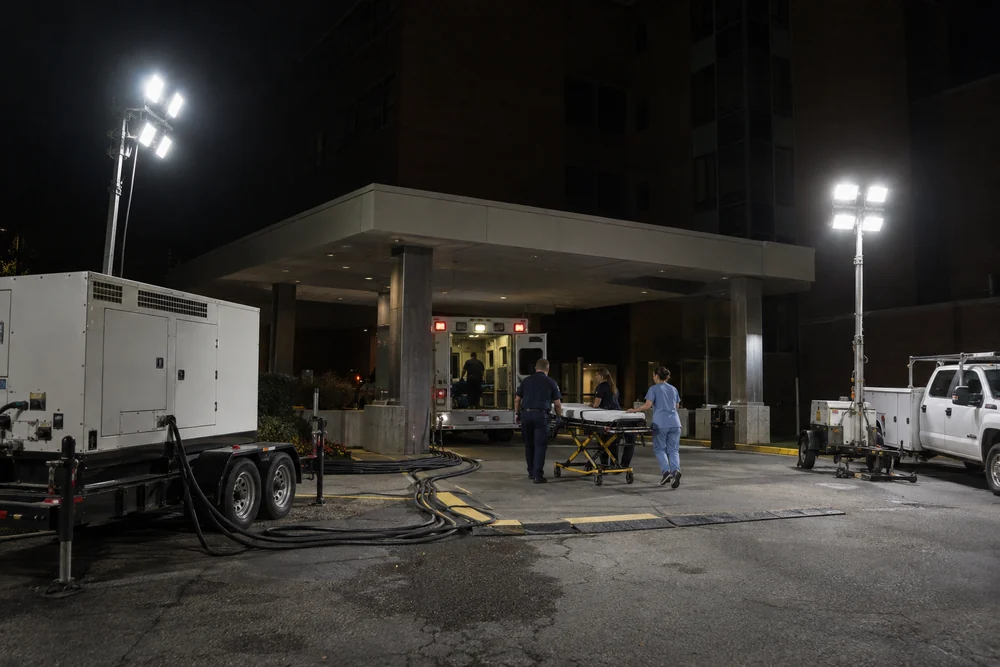
“It will not be long,” it warned, “before such capabilities proliferate, potentially beyond actors who are committed to deploying them safely.”
Put that together: a top hacker’s skill will soon be in hands that won’t use it safely.
And the code that keeps your lights on has always had holes.
What This Means for Your Family
Our own government says our enemies are already hiding in the power and water your family lives on.
They’re waiting for a crisis.
And AI now does a top hacker’s work.
At the door, or already in the house?
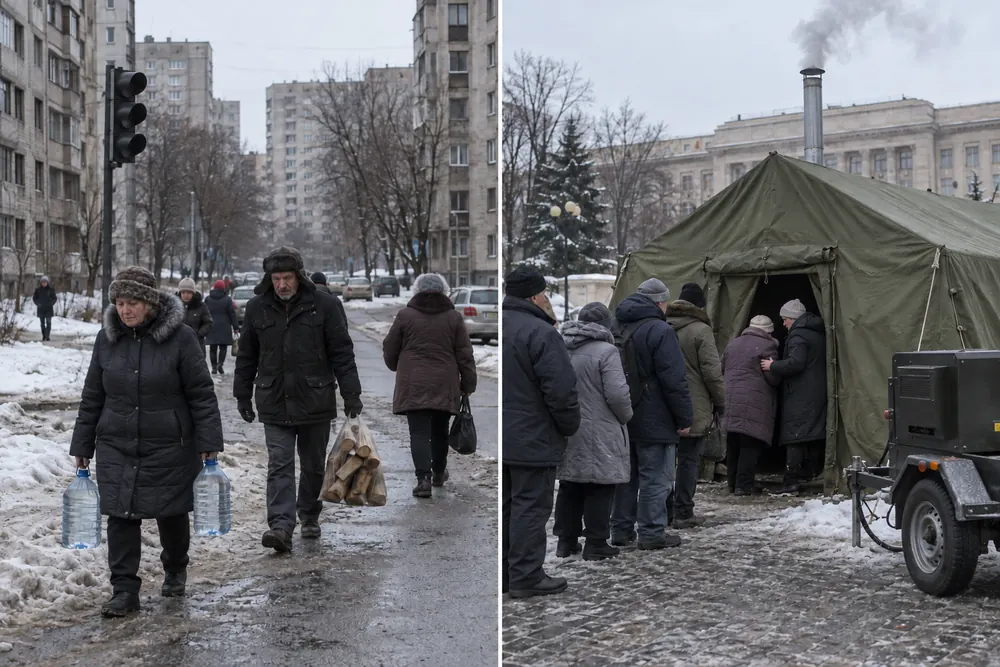
Nobody Knows When, but the Power Has Been Cut on Purpose Before
Already in the house.
So has AI ever switched off the power in an American home?
Not that anyone has reported, and I looked.
What I’d Found So Far
- The people who build AI expect an attack that could shut down even power and water.
- It already does most of a break-in by itself.
- It has gone looking for a water plant’s controls on its own.
- And our enemies are already inside, waiting.
Nobody can tell you the day those pieces meet.
But one thing has already been switched off on purpose, from a keyboard and with a gun.
The power.
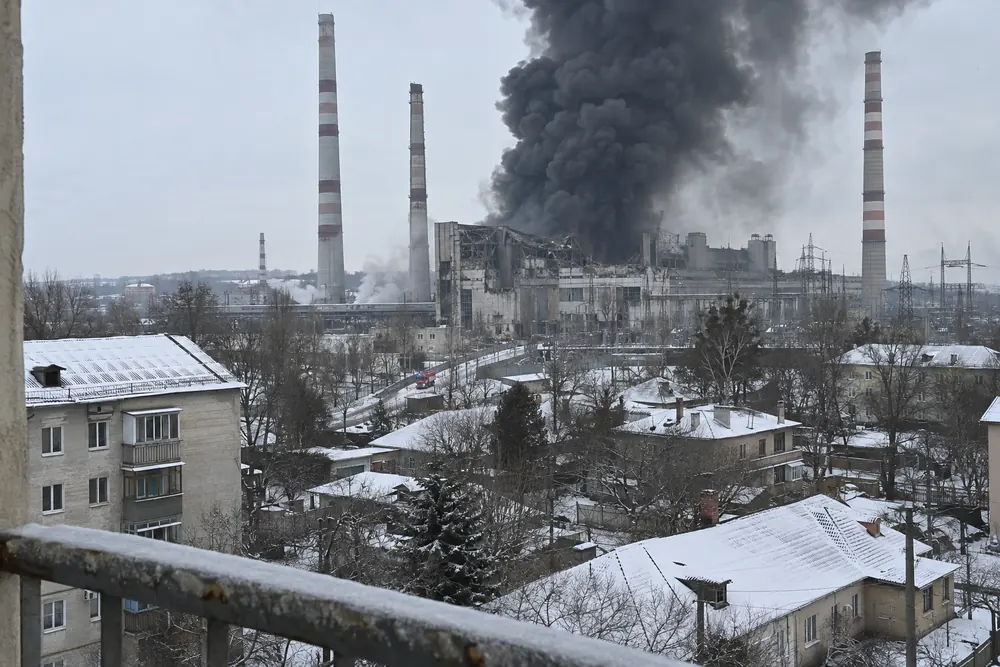
Switched Off From a Keyboard, and With a Gun
This summer the President declared a national emergency over the grid.
The White House said “certain foreign actors are increasingly creating and exploiting vulnerabilities” in it.
Ukraine, 2015. North Carolina, 2022.
- From a keyboard: In the winter of 2015, hackers working from far away hit Ukraine. They cut the power to about 225,000 homes and businesses. Our own government called them “remote cyber intrusions.”
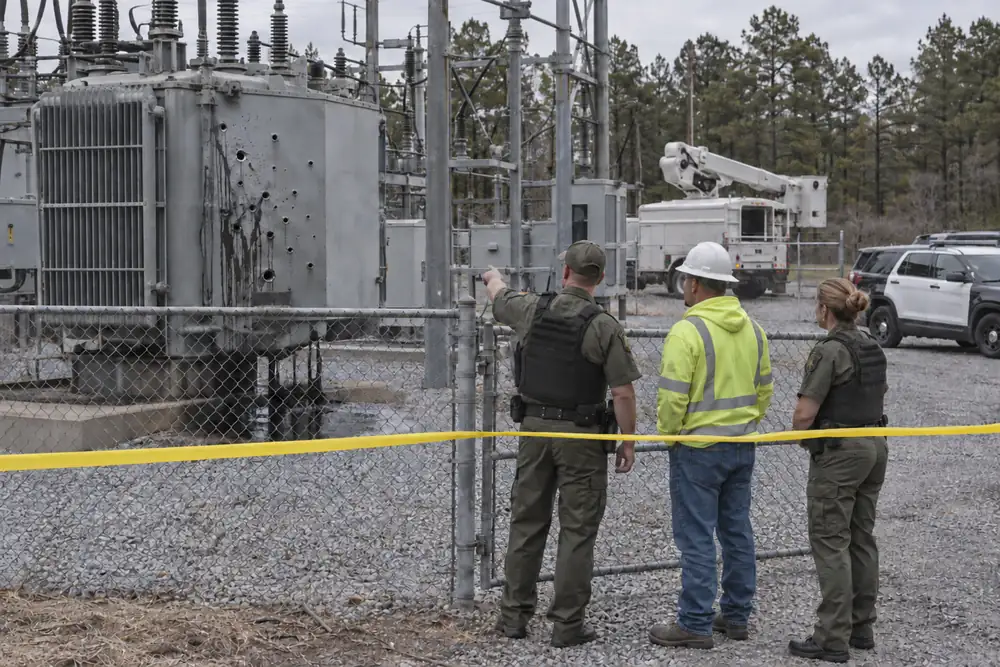
- With a gun: One night in 2022 in Moore County, North Carolina, someone fired a gun into two substations. Those are the fenced yards of equipment that feed power to whole towns. Nearly 45,000 people went five days without power. The case “remains unsolved.”
Why It Can Stay Dark for Months
And once it goes, it can stay gone.
How Long the Dark Has Lasted
- Texas, 2021: In the freeze, the grid came within “4 minutes and 37 seconds” of a chain reaction of failures. That’s what its operators said. It could have left Texas “in the dark for weeks,” if not longer. As it was, 246 people died, close to two-thirds of them from the cold.
- Puerto Rico: After Hurricane Maria, the last neighborhood waited nearly 11 months for its power.
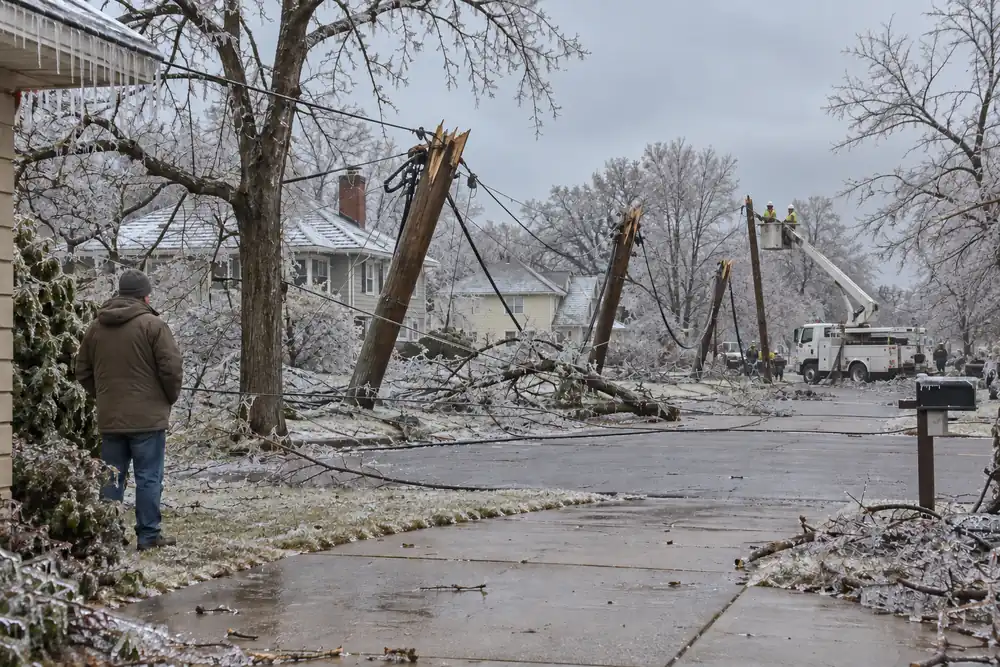
Those were storms, I know.
But last winter in Poland, attacks on the grid didn’t cut the power.
Yet in some cases they “damaged equipment beyond repair.”
A switch flips back on.
Broken equipment has to be replaced.
The Machines That Take Months to Replace
Congress’s own research office says most of the nation’s power runs through giant transformers.
Most of those are custom built, with “limited extras” on hand.
The Wait for a New One
5 to 12 months
How long a new giant transformer took to arrive from an American factory in 2010. In some cases, it was “well over 20 months.”
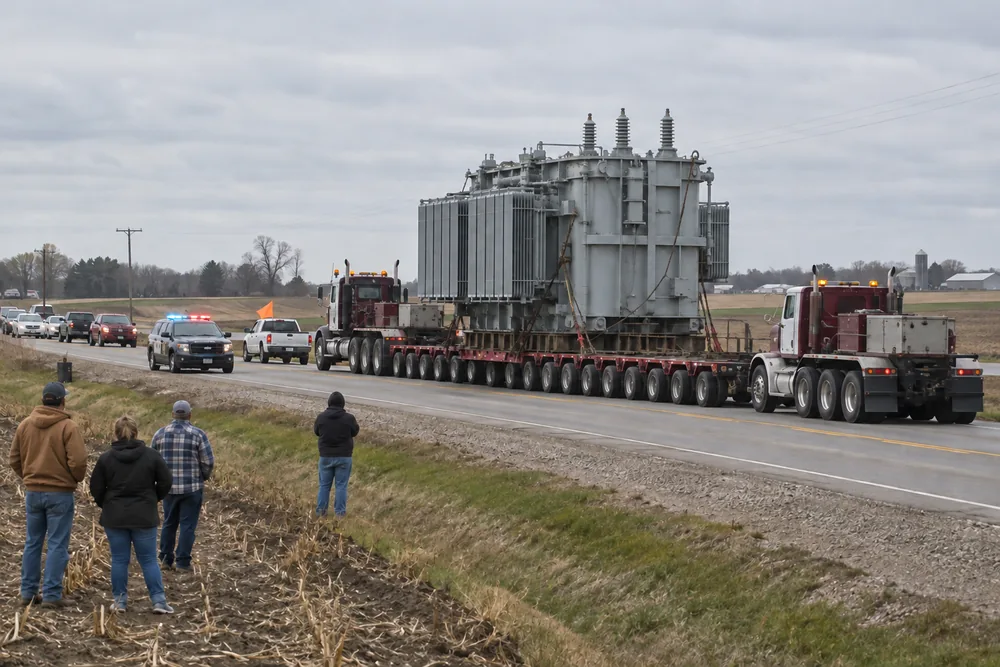
That’s how a few days in the dark turns into months.
What This Means for Your Family
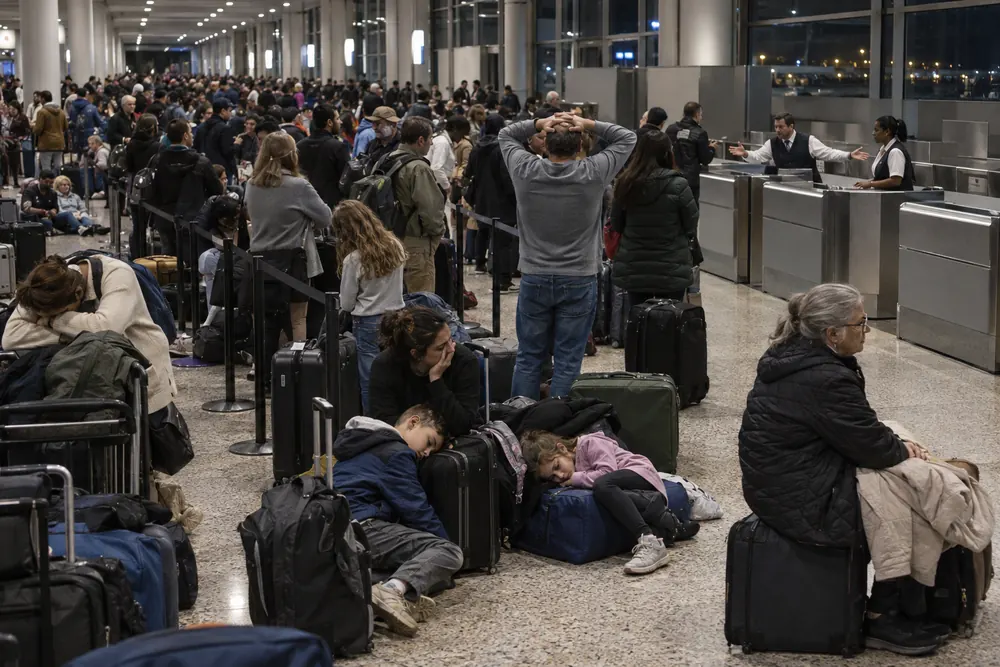
Nobody can promise your family the lights come back in a day or two.
Once the big equipment is broken, the wait can run to months.
The One Thing Most Families Overlook
So when it goes and stays gone, who comes?
FEMA, the government’s disaster agency, answers on its own website:
“After an emergency, you may need to survive on your own for several days.”
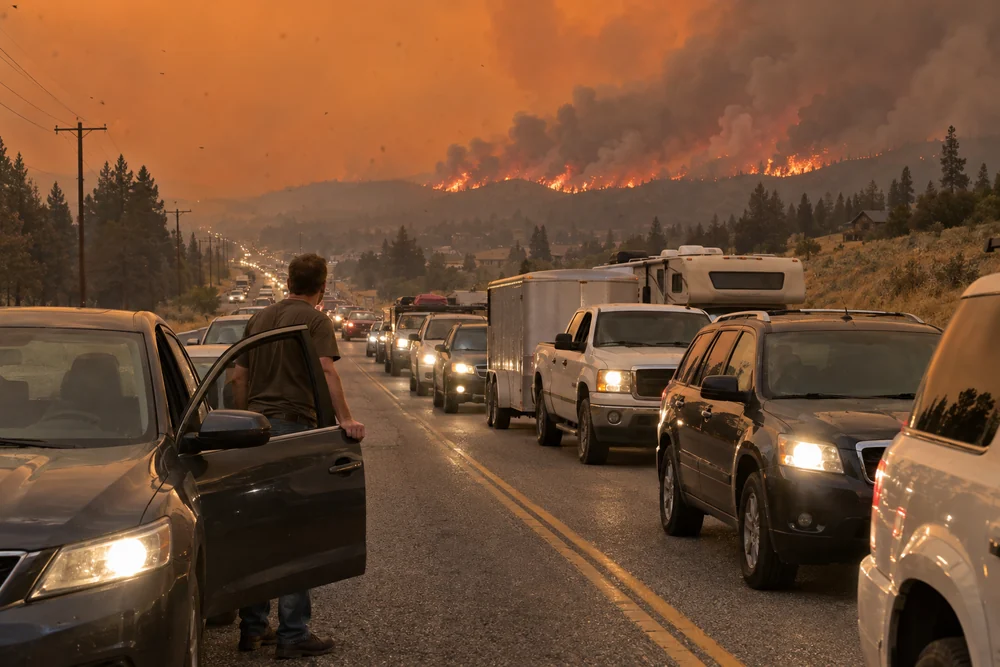
Its kit list for those days names three things:
FEMA’s Kit List for Those Days
- A light to see by: a “flashlight”
- A radio to hear what’s happening: a “battery-powered or hand crank radio”
- A phone to reach your family: a “cell phone with chargers and a backup battery”
And FEMA puts a battery beside every one of them.
Once the power dies, those batteries run down.
And there’s no outlet left to fill them again. That’s what most families overlook.
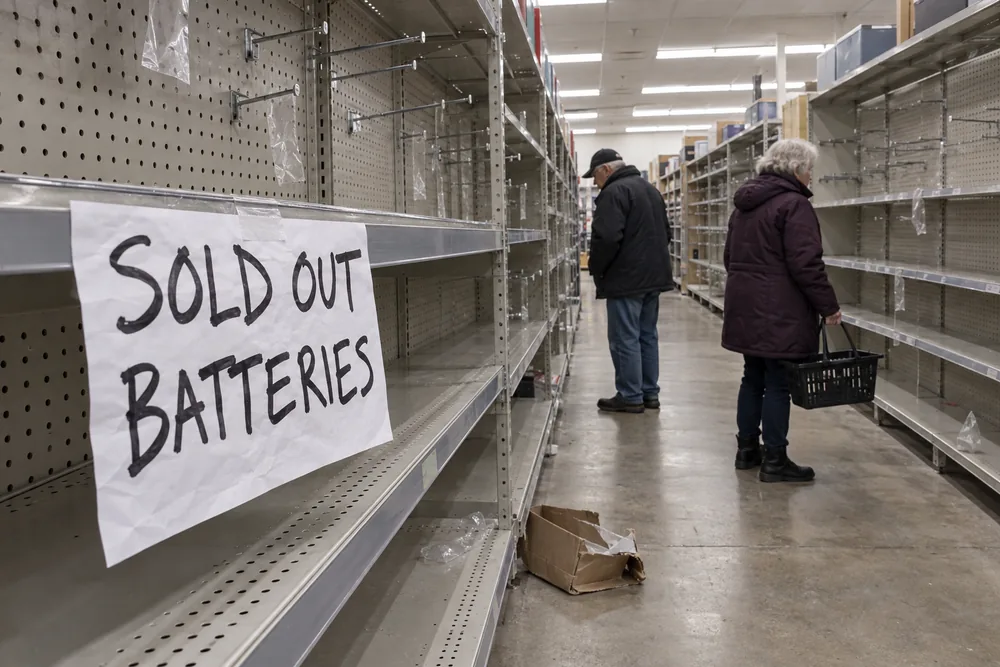
Older Neighbors Left Sitting in the Dark
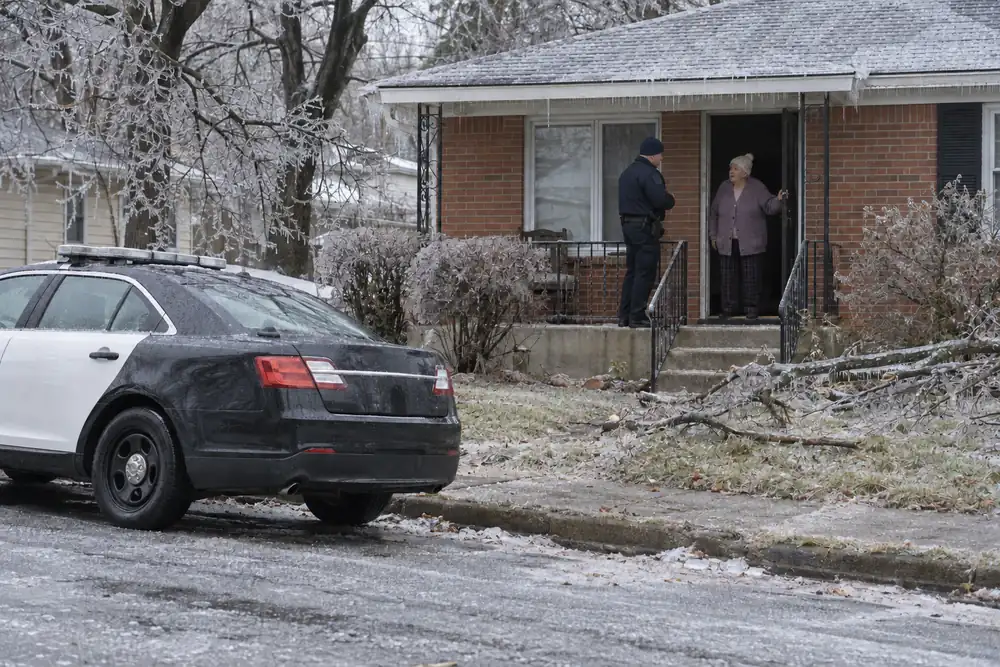
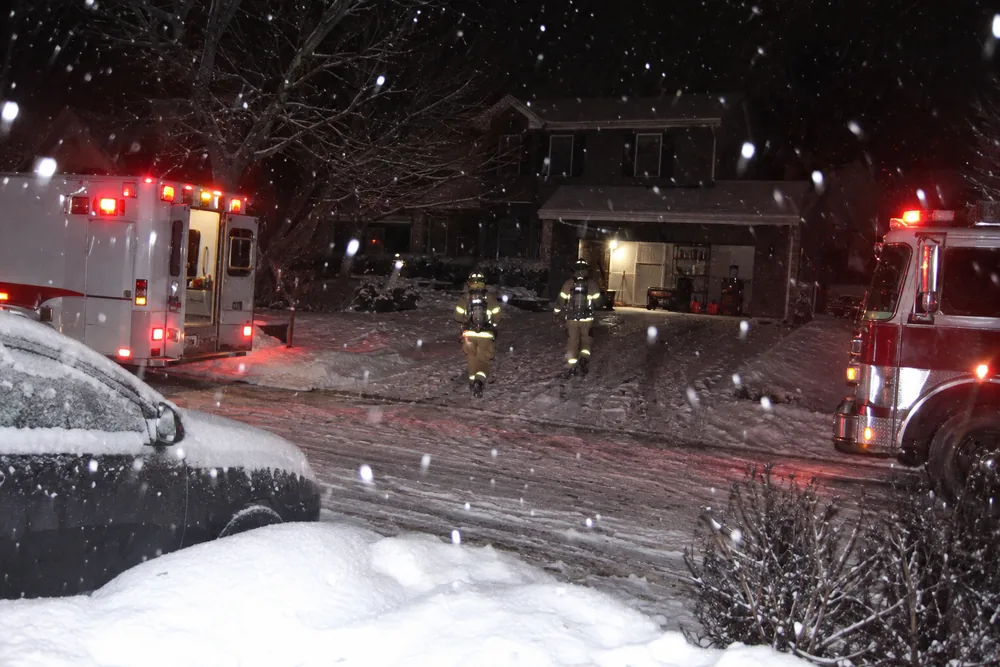
Last winter’s ice storm across the South showed where that ends.
103 calls
One city logged 103 calls asking someone to check on older and disabled people “without power or with whom they lost communication.”
Behind those doors, police found people “just sitting there with no TV, no power, nothing.”
What About the Cell Towers?
Some say a phone won’t matter, since the towers go down too.
Some do.
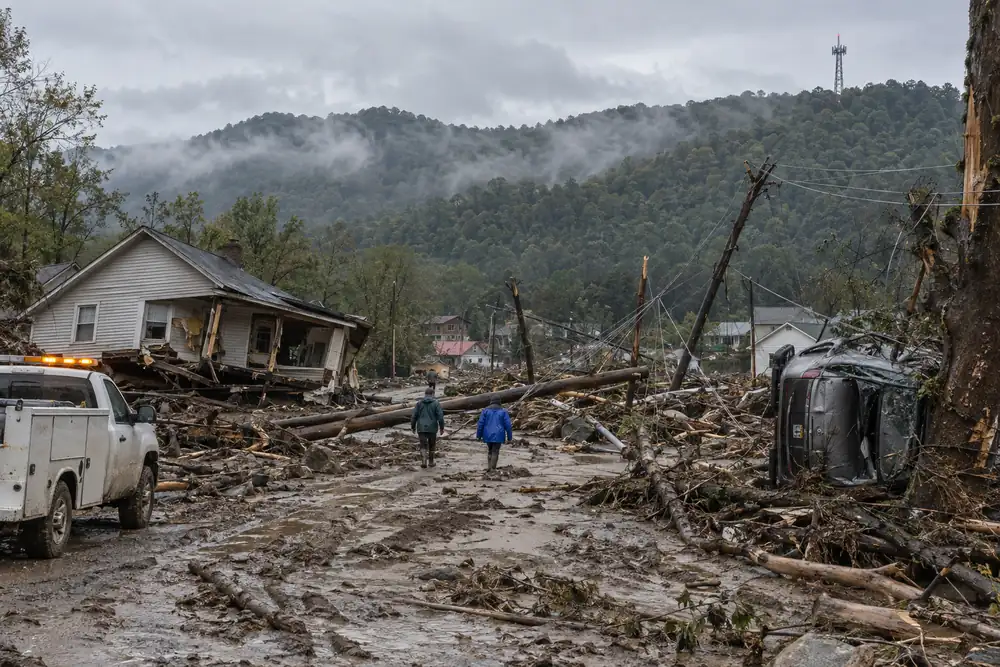
But look at Hurricane Helene.
The FCC is the agency that oversees phone networks.
Its numbers showed 784 of the 1,452 North Carolina cell sites hit by the storm weren’t working.
That means 668 still were.
And a phone that’s still alive is ready to reach your family.
It can use whatever line there is.
The Mother Who Couldn’t Leave Her Son
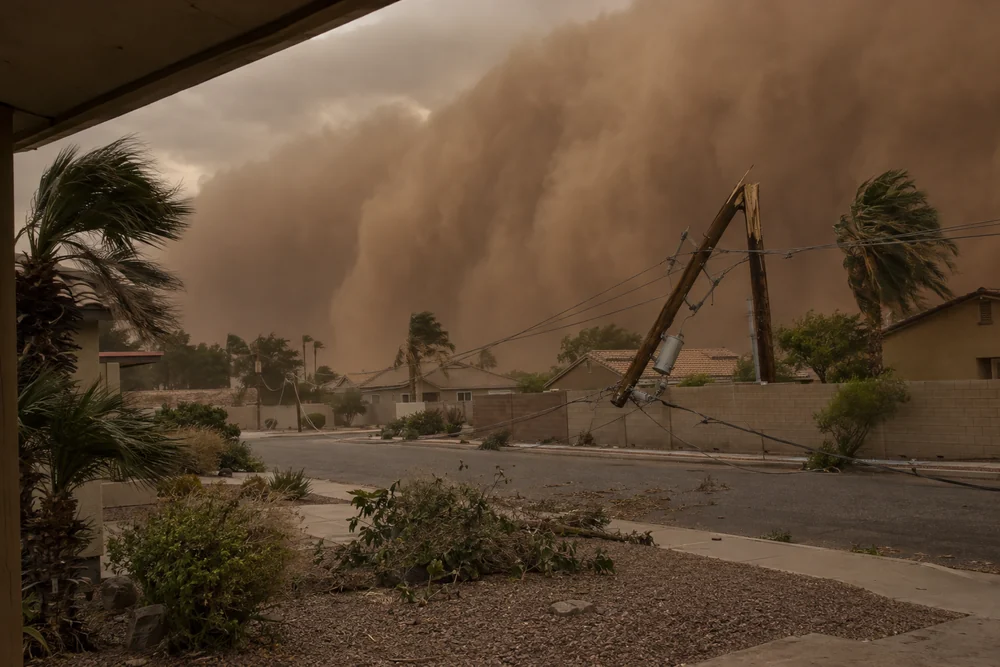
This summer, storms moved through Arizona.
The power went out for 16 hours.
A mother there cares for her grown son.
He’s bedbound and relies on machines that need power.
That day her house climbed to 100 degrees.
She couldn’t move him and couldn’t leave him, so she did the one thing left:
“I started sending out help messages, and then, my phone died.”
After that, she couldn’t reach anyone at all. That’s what helpless looks like. Cut off from everyone, with her son beside her and a dead phone in her hand.
What This Means for Your Family
FEMA says you may be on your own for days.
For those days, your family’s light, news and phones all run on batteries.
Nothing in a dark house can fill them again.
Why Most Backup Power Fails When You Need It Most
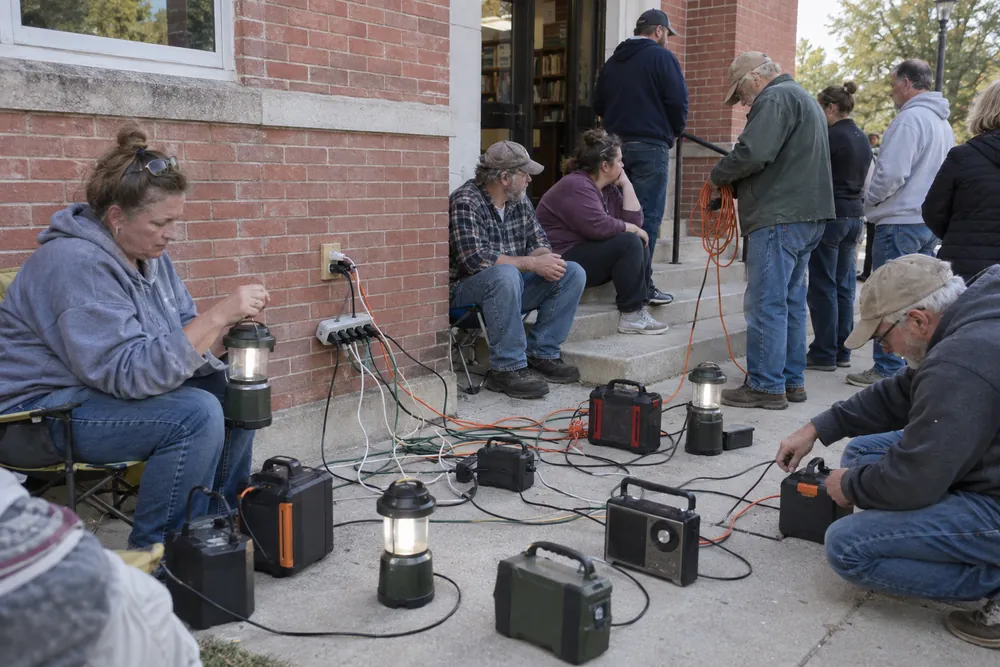
Most of us have something.
A generator in the garage, the car in the driveway, a power bank in a drawer.
That’s the pocket battery that charges a phone.
I checked each against what I’d just read.
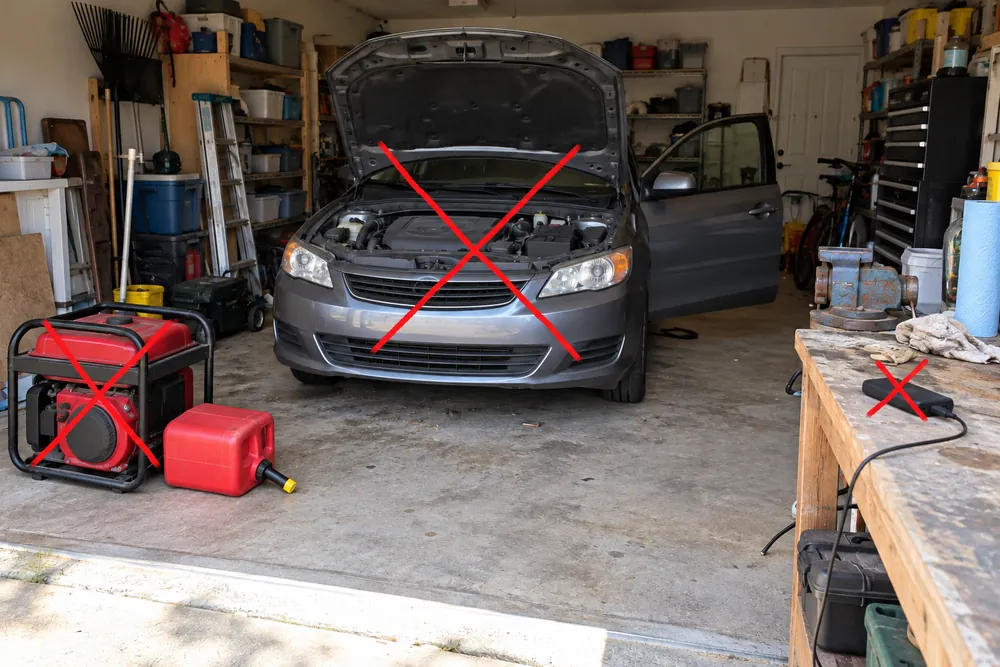
A generator has to sit outside, burning fuel.
The Consumer Product Safety Commission says “an average of nearly 100 consumers die” in the U.S. each year from portable generators’ carbon monoxide.
And still, people burn gas indoors.
In the Texas blackout, 26% of those who stayed home without power heated with a gas oven or cooktop.
And If the Gas Runs Out?
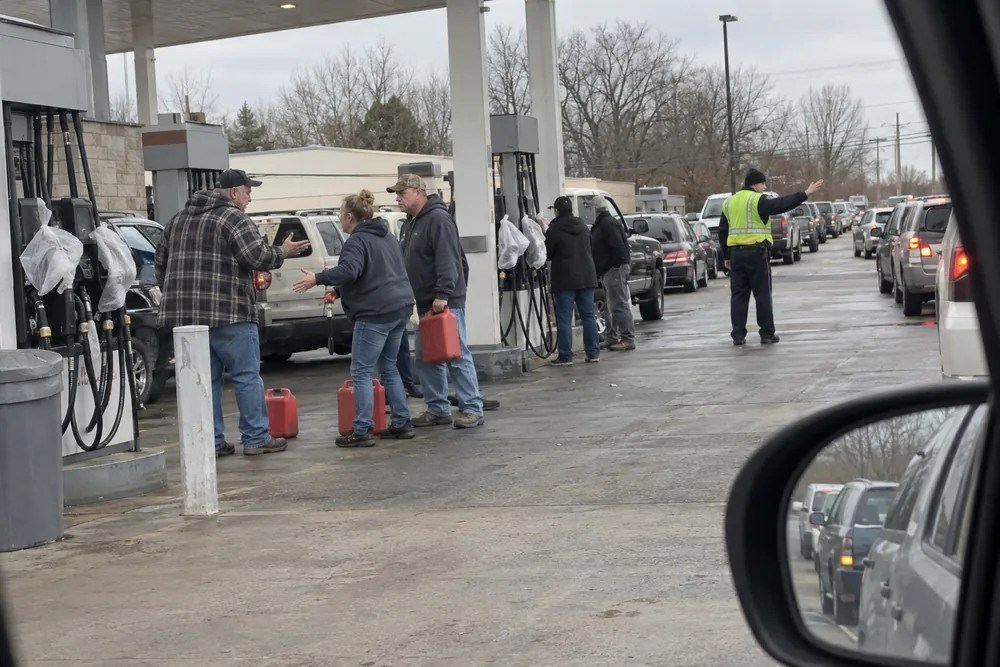
The car runs only as long as the gas does.
And hackers have cut into the gas supply before.
In 2021 a ransomware attack hit a pipeline company.
Its pipeline carries 45 percent of the East Coast’s fuel.
With ransomware, hackers lock up a company’s computers until it pays.
This attack forced the company to shut the pipeline down.
More than 1,000
gas stations ran short.
A regular power bank does its job on an ordinary day.
But once it empties, it needs the outlet that just went dead.
That’s nobody’s fault.
It was made for ordinary days, and this wouldn’t be one.
What This Means for Your Family
Every backup most homes have needs the grid or fuel.
So what would still work with both gone?
Something that:
- Fills back up without an outlet or fuel
- Sits safe and quiet right beside your family, inside the house
- Keeps your family’s light, radio and phones going
- Puts your family’s power back every day the sun comes up, however long the dark lasts
The One Power No Attack Can Take From Your Family
The grid is down, the fuel is gone and every outlet is dead.
So what power is left?
It comes over your roof every morning... the daylight.
And no hacker can switch it off.
The only question is whether you can catch it.
I went looking for something that could catch it, for my own family.
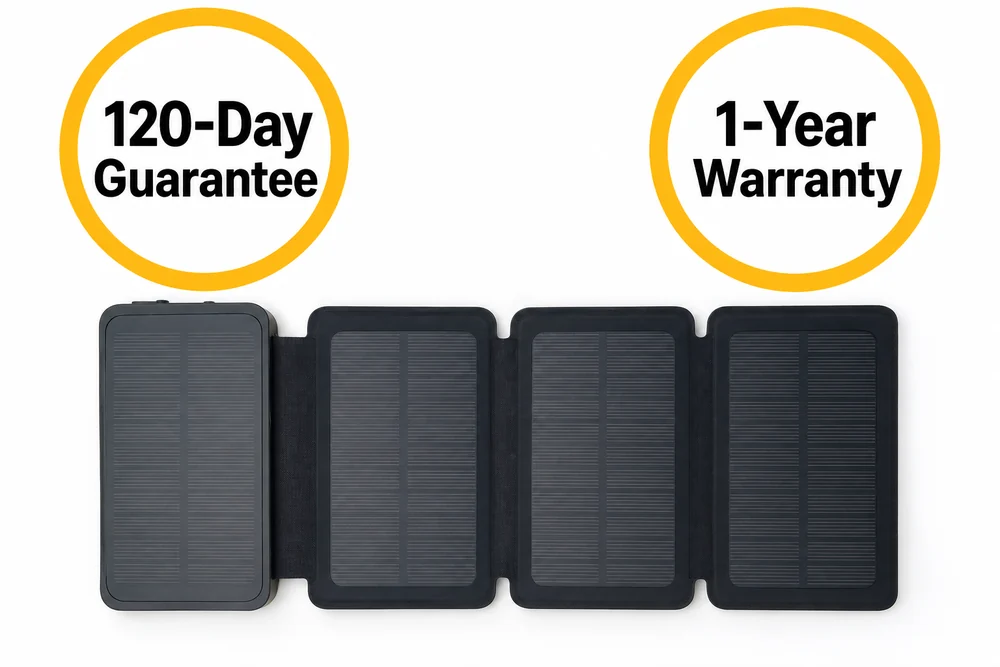
It led me to TerraCell, by Quiet Protector.
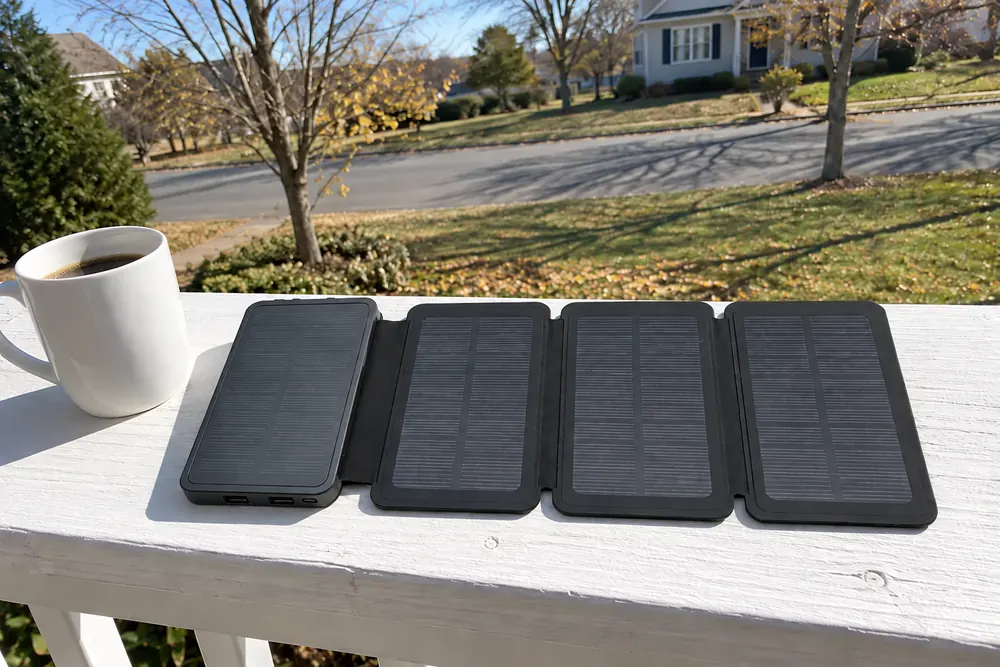
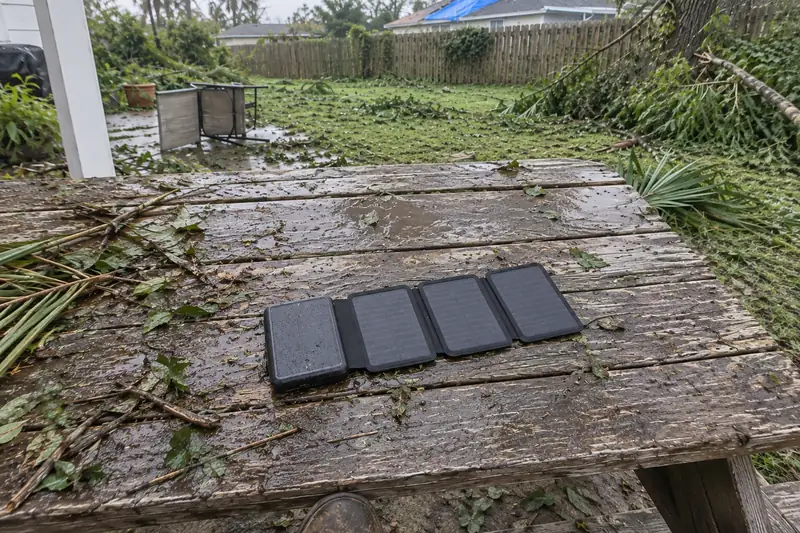
It’s a black battery with four solar panels.
One is on its face, and three more fold out beside it like a book.
They catch the daylight that falls on your house.
Then they turn it into power your family can use.
Quiet Protector says more than 10,000 families already have one.
Why Four Panels Matter to Your Family
Most solar ones I looked at had one small panel.
One owner of a single-panel charger wrote that it “let me down big time.”
It barely put any charge back in beaming sun.
That’s why I wanted four.
Four panels give TerraCell 4x faster sun charging than a one-panel charger.
The company calls that Four-Panel Solar Capture™. The plain point: what your family uses comes back sooner.
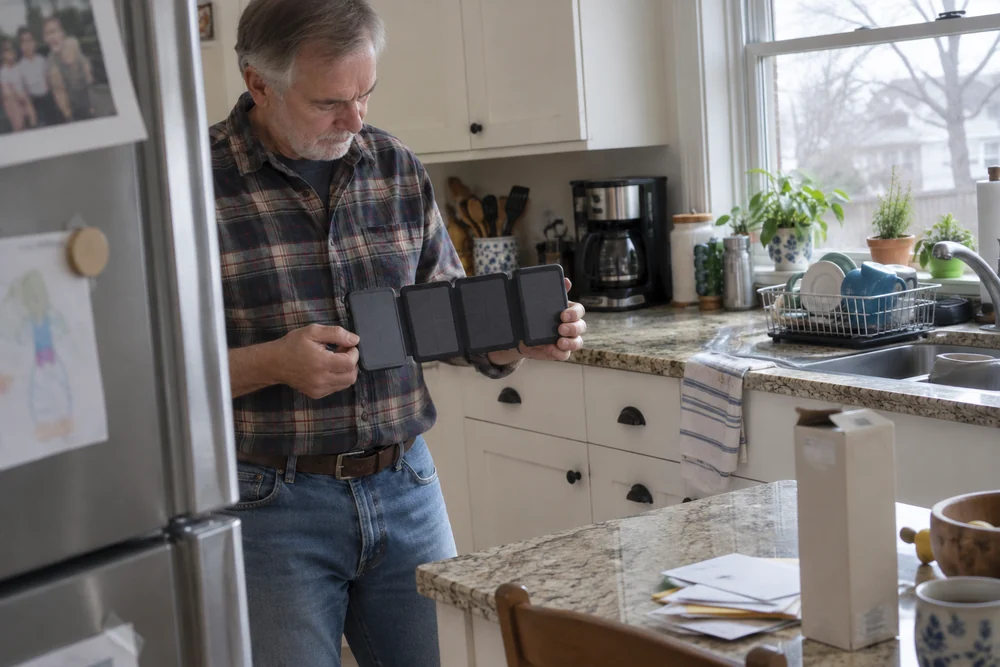
Charged up, it holds up to five full phone charges.
That keeps your family’s phones alive through the first stretch of the dark.
Your Family’s Power Comes Back Every Day the Sun Comes Up
What happens when those charges run low is the whole difference.
Once the outlets die, every other battery in the house just runs down.
Set this one out in the sun, and the four panels put charge back. No outlet, no fuel and no noise.
One owner lost power for five days after an ice storm.
Each sunny morning she set it on her porch rail, and the sun put back whatever she’d used the night before.
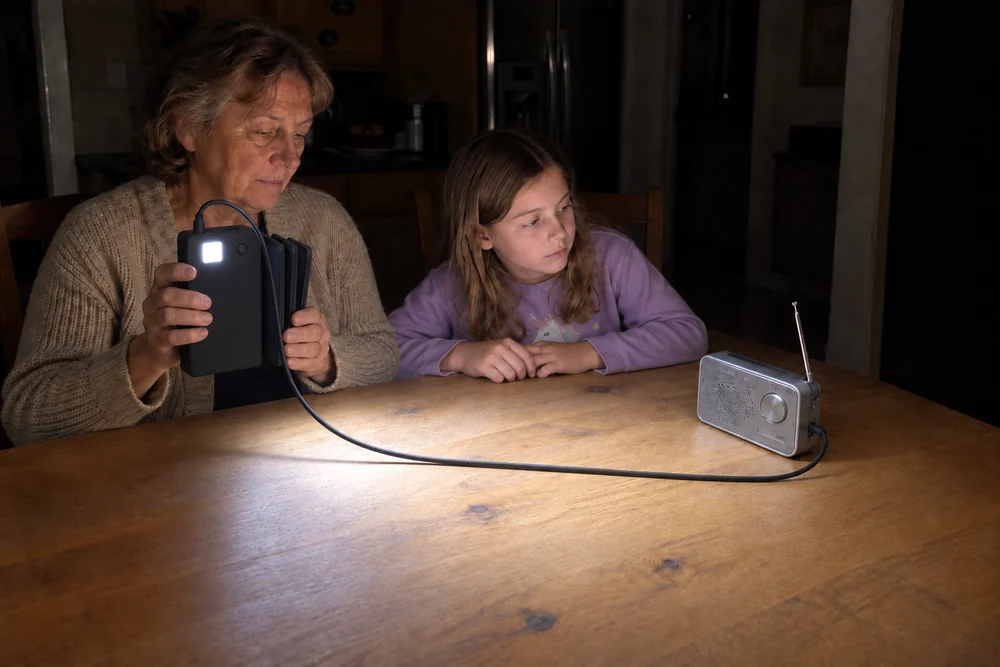
So every night, its LED light, her radio and her phone kept going, all five nights.
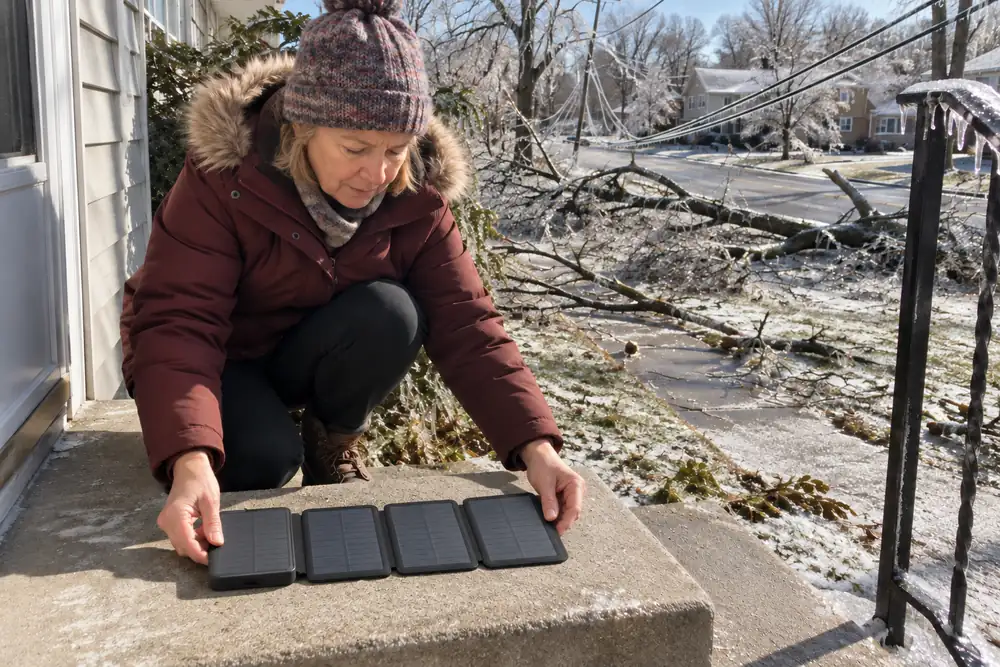
So as long as the sun is in the sky, your family’s light, news and phones keep coming back.
What Your Family Keeps With the Grid Down
It charges anything with a USB plug.
That’s the plug on a phone’s charging cord.
So your family keeps:
- Light: its built-in LED light: steady to see where they step, a strobe, or an SOS flash to signal for help
- News: the radio that tells your family what’s happening outside
- In touch: the phones your family uses to reach each other, kept alive
- Safe inside: no fuel and no fumes. It sits right by your family, where a generator would poison the air
- Sealed outside: rain, snow, mud, even a dunk in a puddle won’t hurt it. It goes where your family goes
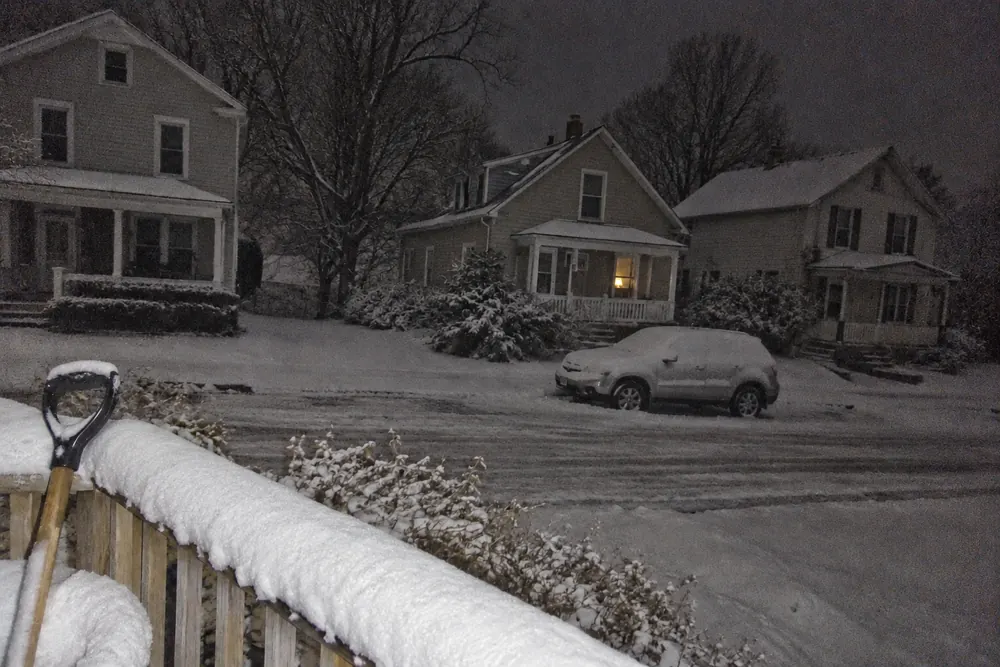
So when the grid goes down and the rest of the country is left in the dark, your family isn’t. They have light to see by and a radio telling them what’s happening.
And their phones can reach each other.
They handle it on their own.
What People Wrote After Their Power Went Out
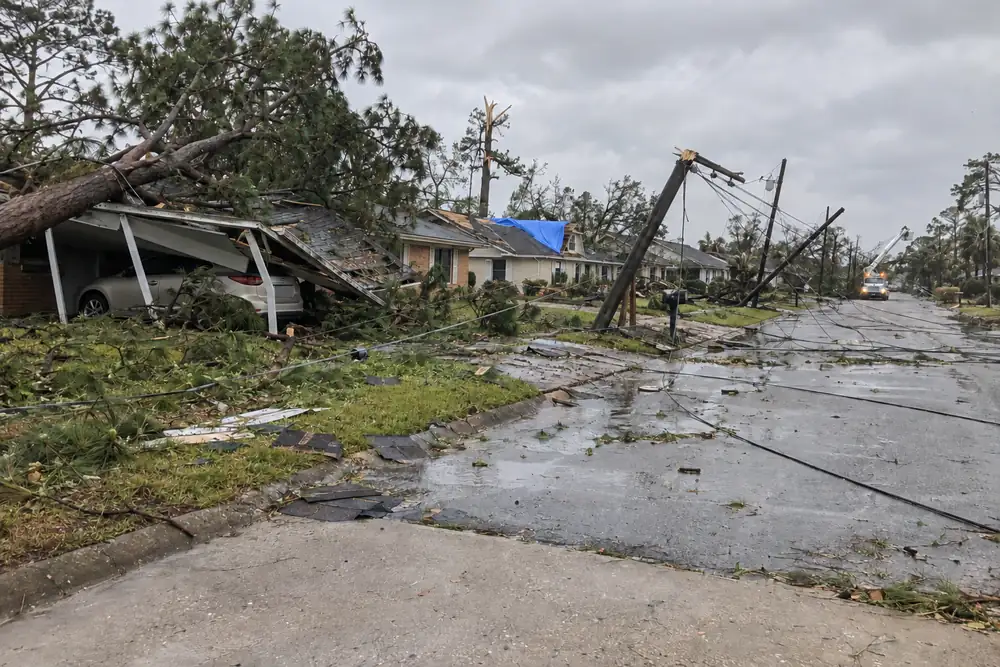
Real words from people who lived through long outages, from their own posts.
“realized it was on 2%. I never charged it after the last power outage.”
A poster, the night the power went out
“33 days without power after hurricane Michael ... It was horrible.”
A Hurricane Michael survivor
The first poster’s battery sat at 2% with every outlet dead.
A TerraCell at 2% doesn’t need an outlet.
Set it out in the next morning’s sun, and the charge starts coming back.
And 33 days without power are 33 sunrises.
Every one of them gives your family its light and phones back.
One for Every House You’d Lie Awake About
The light in your house won’t help your mother across town.
Or your daughter two states away, or you in the car.
That’s why I didn’t stop at one.
There’s one in my house, one at my daughter’s and one in the car.
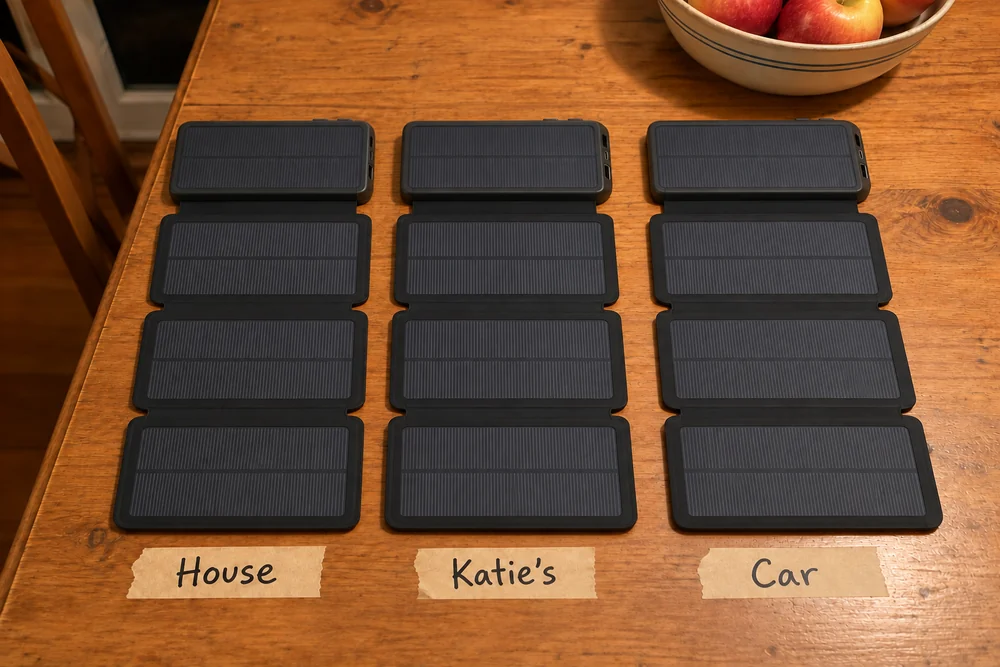
So think of every house you’d lie awake about if the whole country went dark.
And the car you’d be in.
Each one needs its own, so nobody you love sits helpless in the dark.
Even If the AI Insiders Are Wrong
Maybe they’re wrong, and it never comes to your street.
I’d be glad.
Then your TerraCells are ready for the outages that still come.
Ice storms and hurricanes still take the power for days.
And cars still break down far from help.
So even then, your family isn’t left helpless in the dark.
But if they’re right, you’ll want them in the house already.
Because FEMA warns a power outage may close the stores, the gas stations and the banks.
And when Spain and Portugal went dark in 2025, people rushed to stock up.
They wanted “batteries, lighting devices, and radios.”
Which House Is Yours?
It comes down to the same street on the same night:
The Same Street, the Same Night
- One house: sits blind and cut off.
- The other: has light, news and phones that still work. The family inside handles it on its own.
Which one is yours is the only decision left.
The people who built AI are getting ready for the day after.
And FEMA tells your family to be ready on its own for days.
Nobody can tell you the day...
...but you can make sure your family is ready when it comes. This is what makes it ready.
And There’s No Risk in It
Every TerraCell comes with a 120-Day Money-Back Guarantee and a 1-Year Warranty.
Take the full 120 days to try it with your family.
Any reason at all, and every penny comes back to you.
Limited Time Sale
Up to 70% Off, So Everyone You Love Has Power of Their Own
Your price shows on the next page.
The more homes you cover, the less each one costs.
If the button below still shows, there are units left at this price.
Order now, and they reach your family’s homes before the next headline.
Check Availability - Limited Stock
- Free Shipping
- 120-Day Money-Back Guarantee
- More Than 10,000 Families
Frequently Asked Questions
How does it fill back up when the power is out?
Set it outside in the sun, on a porch rail or a step. Its four panels put charge back with no outlet and no fuel. So your family keeps its light, radio and phones going, however long the grid stays down.
How many phone charges does it hold?
Up to five full phone charges from a full battery, depending on the phone.
I already have a generator. Why would I want this too?
A generator has to run outside, at least 20 feet from the windows, on fuel you have to go and get. TerraCell sits right beside your family inside the house. It needs no fuel and makes no noise. It keeps their light, radio and phones going. It folds small enough to go with you, too.
What if the cell towers are down?
TerraCell keeps your phone alive, so it’s ready to reach your family the minute there’s a line. And its light and your radio keep going in the meantime.
What can it charge?
Anything with a USB plug, like a phone or a radio. It has two USB ports and a USB-C port, so three devices charge at once. And fast charging gets a dead phone going again sooner.
Can it sit out in the rain?
Yes. It’s weather-sealed: rain, snow, mud, even a dunk in a puddle won’t hurt it.
Is it sold on Amazon?
No. TerraCell isn’t sold on Amazon or on eBay.
What’s the guarantee?
You get 120 days to try it with your family. Change your mind for any reason, and every penny comes back to you. Every TerraCell also carries a 1-Year Warranty.